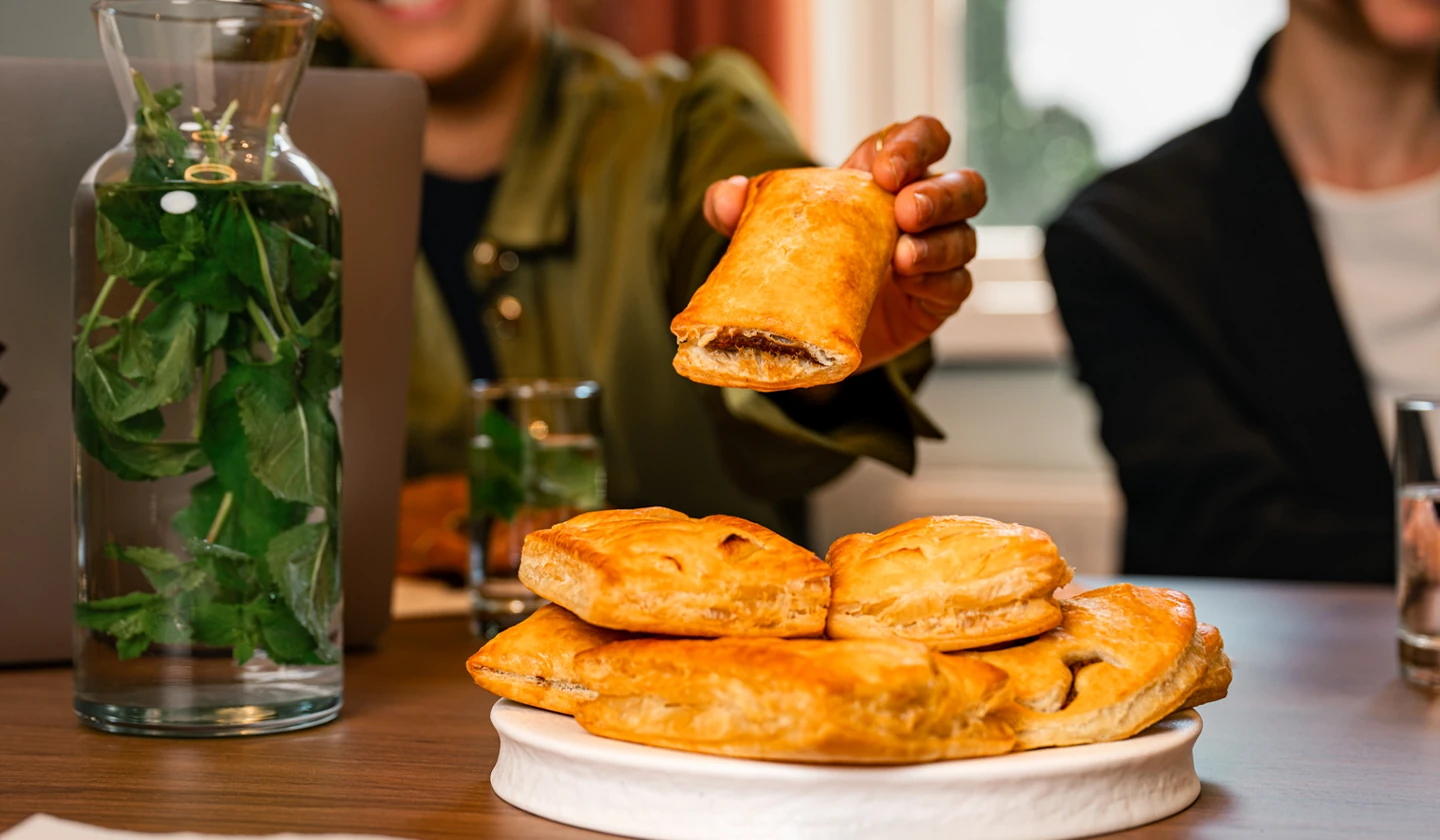
Short answer: plant-based no longer wins on idealism, but on quality. Over the past few years the best plant-based products have improved so much that they now match — and in places surpass — their classic counterpart on taste and nutrition. Guests increasingly choose them simply because they are good.
For years, plant-based was mostly a choice you made. A little reluctantly perhaps, with a taste you put up with. That picture no longer holds. Where the plant-based alternative was once the compromise, with the best products it is now simply the better choice — even if you judge purely on taste and experience.
That is not a feeling, it is a shift you see everywhere: in what guests order, in what producers bring to market and in what blind taste tests reveal. In this blog we explain why plant-based wins, and what that means for anyone serving food professionally.
From compromise to preference
The biggest change is not in the guest's intention, but in the product itself. The first generation of plant-based snacks mostly relied on a good story. The current generation no longer needs that story: the taste stands on its own.
You see it in how people talk about it. Doubt about the taste of plant-based is visibly declining, while the number of people who actually enjoy it is growing. Not because guests have suddenly become more idealistic, but because the product finally delivers on the promise. And once something is simply good, the reason not to choose it disappears.
Quality on the plate: taste and nutrition
Winning on quality means doing two things well at once. Good and better — without one coming at the expense of the other.

Taste that stands on its own
Texture, bite and depth of flavour have advanced by leaps and bounds. In independent, blind taste tests the best plant-based products are now rated just as highly as their animal counterpart — without tasters knowing what they are eating. That is exactly the litmus test: not "surprisingly good for plant-based", but simply good.
Nutrition as a built-in advantage
Plant-based is not automatically healthier — that depends on the recipe. But a well-developed plant-based product does have an edge: usually less saturated fat and often more fibre, without giving up taste. It is the difference between leaving something out and making something better. Done right, you get both: a snack that is tastier and more nutritious than the original.
Why this matters for foodservice in particular

For caterers, F&B managers and event organisers, quality is not just a matter of taste — it takes the risk out of the choice. A plant-based snack that wins on taste and convenience brings several advantages together:
- One product for the whole room — fully plant-based and with few allergens, so almost everyone can join in without a separate exception.
- No compromise on experience — you don't have to explain anything to anyone; it's simply good.
- Sustainability as the logical result — you get a lower footprint almost for free, without it having to be the reason.
- Future-proof — demand is shifting structurally towards plant-based; those who choose on quality now lead rather than lag.
How Huis van Hartig sees it
We started out from the conviction that it can and must be better. Plant-based is not a goal in itself, but the way we win on taste and nutrition — with sustainability as the logical result.
- Baasbroodje — intensely creamy, with a filling based on rapeseed oil and 33% less saturated fat than a comparable cheese roll. Tastier and lighter.
- Zwamcijsje — filled with the stems of circularly grown oyster mushrooms from our own soil, with a tender bite in a crispy puff-pastry crust. A taste that stands on its own.
Two rolls nobody chooses because they are plant-based, but because they are simply the tastiest on the board. That is why plant-based wins.
Frequently asked questions
Why is plant-based food gaining ground?
No longer because of the idea, but because of the quality. Over the past few years the best plant-based products have improved so much that they match or surpass their classic counterpart on taste and nutrition. Guests increasingly choose them simply because they are good, not because they have to. And the future reinforces this on price too: animal products keep getting structurally more expensive, so a plant-based alternative that wins on quality is increasingly the more affordable choice as well.
Is plant-based food now as tasty as the original?
For a growing group of products, yes. In blind taste tests the best plant-based products are now rated just as highly as their animal counterpart. Consumer concern about the taste of plant-based is clearly declining, and the number of people who actually enjoy the taste is growing.
Is plant-based automatically healthier?
Not automatically — it depends on the recipe. Well-developed plant-based products win on nutrition through less saturated fat and often more fibre. The Baasbroodje by Huis van Hartig, for example, contains 33% less saturated fat than a comparable cheese roll.
Why is this relevant for caterers and foodservice?
Because quality takes the risk out of the choice. A plant-based snack that wins on taste and convenience is broadly deployable across diverse dietary needs and allergens, without compromising on experience. That way you serve one product that works for almost the whole room.
Taste why plant-based wins
Convince yourself on taste. Request a free sample box for foodservice.
Request a free sample box